

Originality, AI, and the Future of Contemporary Art
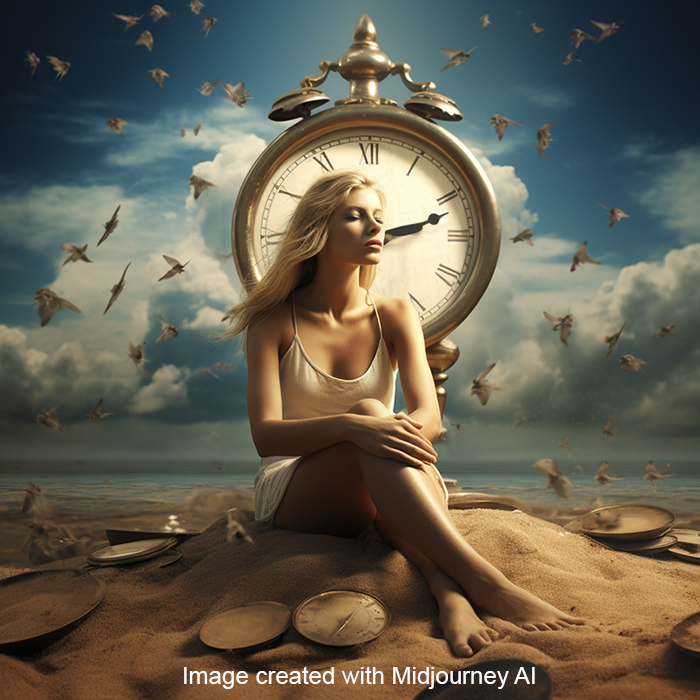
Contemporary art has always evolved alongside technology—from the invention of photography to the rise of video art and digital installations. But today, artists face a uniquely complex challenge: creating in an age where the algorithm is not just distributing art—it’s influencing, generating, and even competing with it.
We are living in the era of artificial intelligence, NFT markets, and hyper-visibility. Platforms like Instagram and TikTok subtly shape aesthetic trends through engagement metrics. Meanwhile, AI tools such as those developed by OpenAI have made it possible for anyone to generate detailed images, poetry, and even curatorial statements in seconds. The question for contemporary artists isn’t whether technology will shape art—it’s how deeply.
Originality in the Age of Infinite Images
For centuries, originality has been a cornerstone of artistic value. From the radical gestures of Marcel Duchamp to the pop appropriations of Andy Warhol, artists have challenged what originality even means. Today, however, AI systems are trained on vast archives of human-made images, remixing them into new compositions.
If a machine can synthesize thousands of art historical styles in seconds, what becomes of authorship? Is originality now about concept rather than execution? About intention rather than image?
For many artists, the answer lies not in rejecting technology, but in interrogating it. The most compelling contemporary work doesn’t compete with AI—it critiques the systems behind it: data extraction, surveillance capitalism, labor displacement, and authorship politics.
The Aesthetic of the Algorithm
We are also witnessing the rise of what might be called “algorithmic aesthetics”—art made to be shared, liked, and circulated. Bright colors, large-scale installations, immersive environments—works that photograph well and travel fast across feeds. While this can democratize visibility, it also risks narrowing experimentation.
Are we making work for the white cube—or for the scroll?
The pressure to be legible in a split second has changed studio practices. Some artists feel compelled to create “content” alongside their art practice, blurring the line between artwork and marketing. The contemporary artist is increasingly a brand, strategist, and performer.
Market Acceleration and Digital Ownership
The NFT boom of the early 2020s further complicated the landscape. Platforms operating on blockchain technology promised decentralization and direct artist-to-collector sales. Yet volatility and speculation quickly followed. While some artists gained financial independence, others questioned whether digital scarcity aligned with their conceptual values.
Still, the conversation it sparked around ownership, digital provenance, and value remains crucial. As institutions begin acquiring digital works more seriously, questions of conservation and authenticity are being rewritten in real time.
Resistance, Reflection, and Reclaiming Agency
Despite these pressures, contemporary art remains a powerful site of resistance. Artists continue to explore climate crisis, identity politics, migration, and technological ethics. They expose invisible infrastructures. They slow down perception. They insist on ambiguity in a culture obsessed with instant clarity.
Perhaps the role of the contemporary artist today is not to outpace technology, but to humanize it—to reveal its biases, question its authority, and reintroduce vulnerability into a system built for speed.
Art has never been static. It responds, resists, absorbs, and transforms. The algorithm may be watching—but artists are watching back.
And that tension might just define the next chapter of contemporary art.